28/06/2023

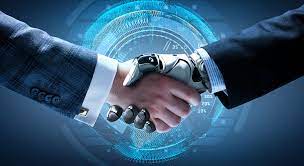
Artificial Intelligence is here to support You, not to take away your jobs

Introduction
In today’s fast-paced world, the rapid advancements in technology, particularly in the field of Artificial Intelligence (AI), have sparked concerns about the potential impact on the job market. However, history has shown us that with each major technological breakthrough, instead of replacing human capabilities, it has created new opportunities and enhanced productivity. AI is no exception to this trend. In this blog, we will explore how AI complements human intelligence, why it is essential for individuals to embrace AI, and how King’s Own Institute in Sydney and Newcastle can support your AI education.

AI and Human Intelligence: A Powerful Partnership
While AI has made remarkable strides in mimicking certain human cognitive abilities, it is important to note that it still falls short in replicating the complexity and versatility of the human mind. Here are a few areas where human intelligence continues to outshine AI:

  1. Creativity and Innovation: AI excels at data processing and analysis, but it lacks the ability to generate entirely new ideas or think outside the box. Human creativity remains unparalleled when it comes to artistic expression, design, and imaginative problem-solving.
  2. Emotional Intelligence: Understanding and responding to emotions, empathizing with others, and forming meaningful connections are deeply human qualities that AI struggles to replicate. Jobs that require interpersonal skills and emotional intelligence, such as counseling, mentoring, and customer service, will continue to rely on human involvement.
  3. Ethical Decision-Making: AI operates based on algorithms and predefined rules, lacking the moral compass and ethical judgment that humans possess. In complex situations that require nuanced decision-making, human intelligence is indispensable to consider the broader context, consequences, and ethical implications.

Learning and Embracing AI in Daily Life
Rather than fearing the rise of AI, it is crucial for individuals, especially students, to recognize its potential and incorporate it into their lives. By embracing AI, you can leverage its power to augment your abilities, improve efficiency, and gain a competitive edge. Here are a few ways to implement AI integration in your daily life:

  1. Personal Assistants: AI-powered virtual assistants like Siri, Alexa, or Google Assistant can help manage your schedules, answer queries, and automate routine tasks, freeing up your time for more meaningful activities.
  2. Data Analysis and Decision-Making: AI algorithms can process vast amounts of data, uncover patterns, and provide valuable insights for making informed decisions in fields such as finance, marketing, healthcare, and research.
  3. Education and Learning: AI-powered educational tools and platforms offer personalized learning experiences, adapt to individual needs, and provide real-time feedback. This enables students to enhance their understanding, explore diverse subjects, and develop essential skills for the future.

The Role of AI in a Student’s Life
As a student, integrating AI into your daily life can bring numerous benefits and enhance your educational journey. By embracing AI and incorporating it into your education, students can gain a competitive edge and prepare yourselves for the future job market.

Those who are proficient in AI will have an advantage in fields such as data analytics, business analytics, robotics, cybersecurity, and more. Failure to adapt and understand AI could lead to a disadvantage when navigating the ever-changing technological landscape.

Here are some ways AI can support students:

  1. Personalised Learning: AI-powered educational platforms can adapt to individual learning styles and preferences, providing personalized content and recommendations. These tools help students grasp concepts more effectively, identify areas of improvement, and offer tailored learning experiences.
  2. Intelligent Tutoring: AI-driven tutoring systems can provide real-time feedback and guidance, helping students navigate through challenging subjects and enhancing their understanding. These systems adapt to individual progress and offer targeted assistance, making the learning process more efficient and engaging.
  3. Research and Information Gathering: AI algorithms can quickly analyze vast amounts of data, assisting students in conducting research, identifying relevant sources, and extracting key insights. This accelerates the process of information gathering and enables students to produce high-quality work.
  4. Virtual Reality and Simulations: AI-powered virtual reality (VR) and simulations offer immersive learning experiences across various disciplines. Students can explore historical events, conduct virtual science experiments, or practice real-life scenarios, enhancing their understanding and practical skills.

Maintaining Academic Integrity: Responsible use of AI by students to uphold education standards
It is crucial to address the importance of ethical use of AI in academic settings. While AI offers vast resources and tools to aid students in their research, it is imperative to emphasise that plagiarism through AI is unacceptable and can have severe consequences. Students should not resort to using AI to generate or copy content without proper attribution. Plagiarism detection software employed by educational institutions is becoming increasingly sophisticated and can easily identify instances of plagiarism. Instead, students should focus on using AI as a tool to enhance their understanding, gather insights, and support their own logical reasoning and explanations. Emphasising the significance of academic integrity and originality, students must strive to produce their own work, properly citing sources and providing unique insights. Misusing AI for plagiarism not only compromises personal growth and ethical development but can also lead to serious repercussions within educational institutions, including academic penalties and suspension of studies.

Real-Life Example: AI in Medical Education
An excellent example of AI’s impact on education can be seen in medical training. Students pursuing careers in medicine can utilize AI-powered simulations to practice complex surgical procedures in a safe and controlled environment. These simulations provide valuable hands-on experience, allowing students to refine their skills before interacting with real patients. AI algorithms can also analyze medical images, assisting in the accurate diagnosis of diseases and aiding in treatment planning.

Real-Life Example: AI in Accounting Education
Another example of AI’s impact on education can be seen in accounting studies and processes. AI-powered software can extract relevant data from invoices, receipts, and financial statements, eliminating the need for manual data entry. This automation reduces human errors and saves valuable time, allowing accountants to focus on more strategic tasks. AI algorithms can analyse large volumes of financial data to detect patterns and anomalies that may indicate fraudulent activities. AI algorithms can process vast amounts of financial data, identify trends, and provide insights for accurate financial analysis and forecasting. These tools enable accountants to make data-driven decisions, identify potential areas for cost reduction, and improve overall financial performance. By leveraging AI in your accounting studies, students can shift their focus from repetitive and time-consuming tasks to strategic financial analysis, planning, and advising.

King’s Own Institute: Empowering Your AI Journey
To meet the growing demand for AI expertise, King’s Own Institute offers comprehensive Bachelor and Master programs in Information Technology and Information Systems with various majors. These programs equip students with the knowledge and skills needed to excel in the AI field. The institute’s industry-relevant curriculum, experienced faculty, and state-of-the-art facilities ensure students receive a quality education in AI and related disciplines.

For more information:

https://koi.edu.au/courses/undergraduate-courses/bachelor-of-information-technology
https://koi.edu.au/courses/course-summary

Conclusion
AI is not a threat to human employment; it is a tool that can enhance our capabilities and revolutionise various industries. While AI has its limitations, human intelligence remains invaluable for creativity, emotional intelligence, and ethical decision-making. By embracing AI and integrating it into our lives, we can unlock its vast potential for personal growth, productivity, and innovation.

If you’re looking to embark on a journey in the exciting world of AI, King’s Own Institute in Sydney and Newcastle offers excellent educational programs to support your aspirations and equip you with the skills needed to thrive in the AI-driven future. Embrace AI as a partner, not as a threat.

Saying this, consider AI technologies as an approach to make your life easier. And don’t stress the term “intelligent” too much. However, always be aware of what type of data and personal information you really want to share. Once it is out, it’s virtually impossible to roll it back.

22/06/2023

The Rising Demand for Cybersecurity Professionals in Australia’s Job Market

In an increasingly interconnected world, the importance of cybersecurity cannot be overstated. With the rapid advancement of technology, the need to protect sensitive information, critical infrastructure, and digital assets has become paramount. In this blog post, we will explore the surging demand for cybersecurity professionals in the Australian job market. Discover why a career in cybersecurity holds immense potential and how you can capitalize on this thriving industry.

The Evolving Threat Landscape:
In today’s world, cyber threats are pervasive and constantly evolving. From sophisticated hacking attempts to data breaches and ransomware attacks, organizations of all sizes and sectors face substantial risks. As a result, the demand for skilled cybersecurity professionals has skyrocketed to safeguard sensitive data and mitigate potential damages.

Growing Digital Transformation:
Australia is witnessing a significant digital transformation across industries. Organizations are adopting cloud computing, embracing the Internet of Things (IoT), and leveraging artificial intelligence. While these advancements offer numerous benefits, they also introduce new vulnerabilities. Cybersecurity professionals play a critical role in securing digital infrastructure and ensuring the smooth functioning of these technologies.

Compliance and Regulatory Requirements:
Compliance with cybersecurity regulations is crucial for businesses operating in Australia. The Australian government has implemented stringent data protection laws, such as the Notifiable Data Breaches (NDB) scheme and the Privacy Act. Compliance with these regulations necessitates the expertise of cybersecurity professionals to implement robust security measures, conduct risk assessments, and ensure data privacy.

Industry-Specific Cybersecurity Needs:
Different industries face unique cybersecurity challenges. In Australia, sectors such as banking and finance, healthcare, telecommunications, energy, and government have particularly high demands for cybersecurity professionals. Financial institutions require experts in fraud prevention and secure transactions, while healthcare organizations need specialists to protect patient records and sensitive medical data.

Cybersecurity Skills Shortage:
Despite the growing demand, there is a shortage of skilled cybersecurity professionals in Australia. This talent gap provides aspiring professionals with ample opportunities for career growth and job security. By acquiring the necessary skills and certifications, you can position yourself as a valuable asset in the job market.

Lucrative Career Prospects:
The demand for cybersecurity professionals has led to highly competitive salaries and excellent career prospects. Salaries in the cybersecurity field are typically higher than average, and experienced professionals often enjoy numerous advancement opportunities and benefits. The field also offers flexibility, with opportunities for remote work and consultancy roles.

Pathways and Skills Required:
To enter the cybersecurity field, a combination of technical knowledge, problem-solving skills, and continuous learning is essential. Some key skills and certifications sought after in the Australian job market include:

  • Network and system security
  • Incident response and digital forensics
  • Risk management and compliance
  • Security architecture and design
  • Industry certifications (e.g., CISSP, CEH, CISM, CompTIA Security+)

Education and Training Opportunities:
Numerous Australian universities and Private institutions like King’s Own Institute (KOI) offer cybersecurity programs, ranging from undergraduate degrees to specialised postgraduate courses. These programs equip students with the knowledge and practical skills required to excel in the field.

Learn more: https://koi.edu.au/courses/postgraduate-courses/master-of-information-technology

Conclusion:
In today’s digital age, the demand for cybersecurity professionals in Australia continues to surge. Organisations across industries are prioritising the protection of their digital assets, creating a wealth of career opportunities for skilled individuals. By embracing a career in cybersecurity, you can contribute to safeguarding Australia’s digital landscape while enjoying a rewarding and financially lucrative profession.

Seize the moment, acquire the necessary skills, and embark on a journey that will help protect and shape the future of our interconnected world. King’s Own Institute (KOI) can help.

06/06/2023

The Hybrid Learning Value Proposition

King’s Own Institute (KOI) opened a hybrid learning facility in Newcastle in late 2022. While the initiation of hybridity relies on technological solutions and configurations, it is important to note that this is merely one aspect contributing to the user experience. It is essential to acknowledge that technology alone cannot bring about a transformation in practices.

In any event, the advantages of a hybrid model over a strictly face to face or online model is that the learning space is envisioned as a holistic ecosystem encompassing learners, teachers, pedagogical practices, digital and material resources, as well as physical infrastructure such as buildings and furniture. It is a combination of all of these attributes and competencies that the hybrid learning value proposition is revealed.

Consider the following example pertaining to the Diploma of Accounting. There are a number of Diploma of Accounting courses available in a strictly online or face to face environment. However, the disadvantage of a strictly face to face environment is the limited flexibility in terms of learning format, as it requires attending classes on campus. In contrast, a strictly online engagement may not be as deep as in the face-to-face programs. According to Fredricks et al (2004), engagement encompasses three key dimensions: (1) behavioural engagement, which involves actions like attending lectures, asking questions, and participating in quizzes; (2) emotional engagement, which encompasses feelings of interest, a sense of belonging, boredom, frustration, or enjoyment; and (3) cognitive engagement, which pertains to learning outcomes, metacognition, and self-regulated learning (Fredricks et al, 2004). In this context, studying a Diploma in Accounting at KOI Newcastle (in a hybrid learning environment) provides a number of benefits including the following key points.

  1. Flexibility and Convenience: Hybrid programs provide a blend of face-to-face and online learning, offering flexibility in terms of scheduling and location. You can attend in-person classes for certain sessions while accessing course materials and lectures online for others. This flexibility allows you to balance your studies with work, personal commitments, or other obligations.
  2. Personalized Learning Experience: Hybrid programs often incorporate online modules that allow for self-paced learning. You can review lectures, materials, and assignments online at your own speed, ensuring a personalized learning experience. This approach accommodates different learning styles and enables you to focus on areas where you need more time or practice.
  3. Practical Hands-on Learning: Face-to-face components of a hybrid diploma program provide opportunities for practical, hands-on learning experiences. In-person classes, workshops, and group activities allow you to apply theoretical knowledge, work on real-world case studies, and develop practical skills relevant to the accounting profession. This combination of online theory and face-to-face practice enhances your overall learning experience.
  4. Networking and Collaboration: Hybrid programs offer networking opportunities both in-person and online. You can interact with instructors, classmates, and industry professionals during face-to-face sessions, fostering relationships and building a professional network. Additionally, online discussion boards, group projects, and virtual collaborations allow for networking and collaboration with peers from different locations and backgrounds.
  5. Access to Resources: Hybrid programs often provide access to a wide range of resources. Physical campuses offer libraries, computer labs, and accounting software, while online platforms provide digital resources, e-books, and online databases. This combination ensures that you have access to a comprehensive set of resources to support your learning and research needs.
  6. Adaptability to Different Learning Styles: Hybrid programs cater to different learning styles, accommodating students who thrive in face-to-face interactions as well as those who prefer online self-paced learning. By offering a variety of learning modalities, the program allows you to choose the approach that best suits your learning preferences, maximizing your learning outcomes.
  7. Career Readiness: A hybrid diploma in accounting prepares you for the demands of the modern workforce. It equips you with technical accounting skills, as well as proficiency in online communication tools and virtual collaboration platforms. This combination of technical and digital skills enhances your employability and prepares you for the evolving nature of the accounting profession.

The value proposition of a hybrid face-to-face and online diploma in accounting lies in its flexibility, personalized learning experience, practical hands-on learning, networking opportunities, access to resources, adaptability to different learning styles, and career readiness. Of course, these benefits are not unique to the Diploma of Accounting, these benefits apply to all the hybrid courses offered at KOI. The fact is that by blending the best of both worlds, a hybrid program offers a dynamic and comprehensive educational experience that prepares students for success.

19/04/2023

Important Update regarding Student Management System at KOI

For Sydney students, we are migrating our student Management System at KOI to a new technology platform (“TechOne” or “T1”) in the next couple of months. TechOne is one of the industry leading student management software used by many of the renowned Australian universities and other higher education institutions. This shift is going to change the way you access your student information and how some of the current student processes are managed. Watch this space for further updates.

27/07/2021

Student Experience Survey 2021

KOI is participating in the Student Experience Survey (SES). The SES is a national survey being conducted for the Australian Government Department of Education and Training.

The results of this survey will help higher education providers and the government to improve the student experience. Your feedback is very important and will contribute directly to the quality of teaching and learning for current and future students.

The SES is administered by the Social Research Centre, a leading research organisation, on behalf of the Australian Government Department of Education and Training.

Please watch your inbox for an email invitation for the SES or you can go to www.ses.edu.au for more information.

28/04/2021

Australian Governments Graduate Outcome Survey. May, 2021

If you finished your studies in Oct 2020, watch your email inbox during the first week of May for an invitation to complete the GOS.

By completing the survey, you will be entered into a weekly prize draw for the chance to win a $1,000 prepaid VISA gift e-card*

Thank you in advance for your valued participation!

27/04/2020

Australian Government’s Graduate Outcome Survey

KOI is participating in the Australian Government’s Graduate Outcomes Survey (GOS) administered by the Social Research Centre. KOI Graduates who completed their studies in November 2020 may receive an invitation via email with a username and password to participate in the survey. We strongly encourage you to complete the survey at your earliest convenience! Thank you in advance for your time and feedback.

24/07/2019

KOI Videos

KOI Library & IT information
KOI Learning Skill Center (LSC)
09/10/2014

Moodle Mobile App for Iphone

MoodleIphone

The official Moodle mobile app for iPhone is now available for download (free!) from the Apple Online Store.
Mobile app features include:

  • A record audio function with option to upload to your private files area in Moodle
  • Access to the list of participants in your courses with options to send a Moodle message
  • Add a note or add user contact details to your mobile address book
  • Offline mode with automatic synchronization when you’re next online

Enjoy moodling at the KOI E-Learning Portal!